Non-Veg Curries and Different Types of Pickles – Chicken, Mutton, Prawns and More
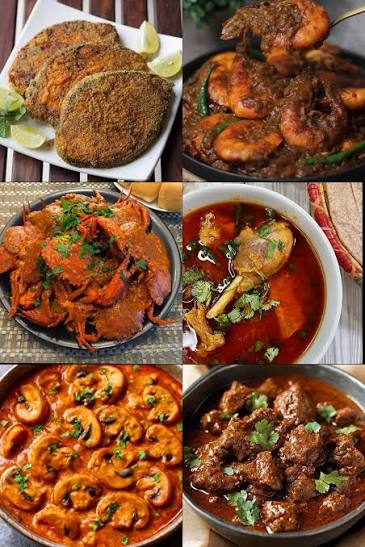
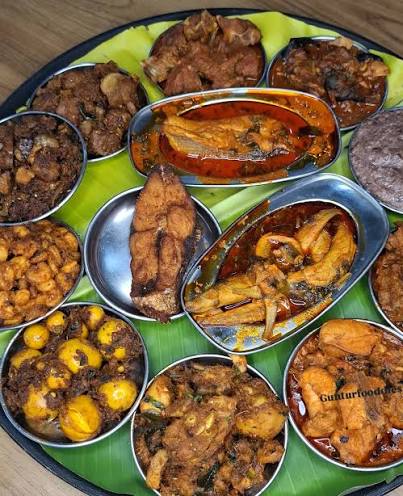
Indian cuisine is famous around the world for its incredible variety of flavours, colours, aromas, spices, and traditional cooking methods. Among the many dishes enjoyed across India, curries and pickles have a special place on the dining table. From spicy chicken curry and slow-cooked mutton curry to flavorful prawn curry and tangy traditional pickles, every region has its own way of preparing these delicious foods.
Indian food is not simply about making a dish spicy. The real speciality lies in the balance of ingredients such as chillies, turmeric, coriander, cumin, ginger, garlic, curry leaves, mustard seeds, pepper, tamarind, coconut, onions, tomatoes, and regional spice blends. Different combinations of these ingredients create completely different flavours.
Non-vegetarian curries are especially popular among people who enjoy chicken, mutton, seafood, and other meat dishes. At the same time, vegetarian curries made with vegetables, lentils, paneer, and other ingredients offer an equally diverse range of flavours.
Pickles add another dimension to Indian food. A small serving of pickle can transform a simple plate of rice, dal, roti, or curd rice into a much more flavorful meal.
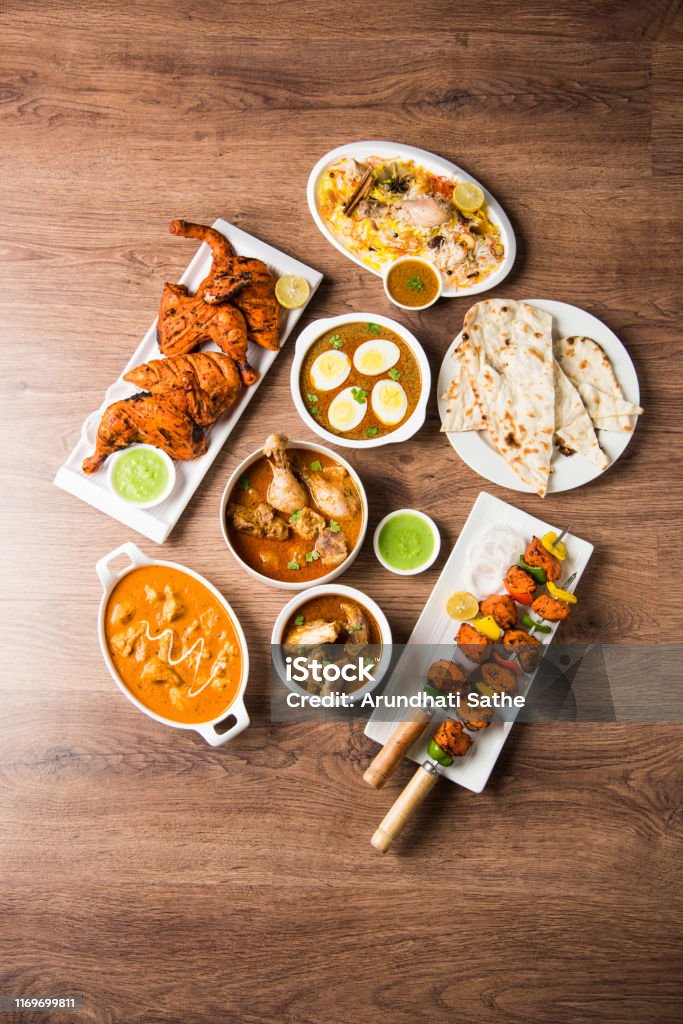
Understanding Indian Curries
A curry is generally a dish prepared with a combination of ingredients, spices, and a gravy or cooking base. However, the word “curry” covers a huge range of preparations in India.
Some curries are thick and spicy, while others are light and aromatic. Some use coconut as the main base, while others depend on onions, tomatoes, yogurt, tamarind, or ground spices.
The cooking method also influences the final taste. Slow cooking can allow meat and spices to develop deeper flavours, while quick cooking may preserve the freshness of certain ingredients.
Chicken Curries
Chicken is one of the most widely enjoyed non-vegetarian ingredients in India. Different regions prepare chicken in different ways.
Popular varieties include Andhra-style chicken curry, Telangana-style chicken curry, Chettinad chicken, Kerala chicken curry, butter chicken, chicken korma, and coconut-based chicken curry.
Chicken curry can range from fiery and spicy to mild and creamy. Ingredients such as ginger, garlic, onions, tomatoes, green chillies, curry leaves, coriander, and regional masalas are commonly used.
Speciality: Chicken absorbs spices and gravy well, giving every bite a rich combination of flavour and aroma.
Place a close-up photograph of a traditional chicken curry immediately after this section.

🥘 Mutton Curries
Mutton curries are known for their rich flavour and hearty texture. Mutton is commonly prepared with onions, ginger, garlic, tomatoes, chillies, whole spices, and regional masalas.
Some preparations are slow-cooked so that the meat becomes tender and the spices develop a deeper flavour.
Popular varieties include Andhra mutton curry, Telangana mutton curry, Chettinad mutton, Rogan josh, mutton korma, and traditional village-style mutton curries.
Speciality: Mutton has a naturally rich flavour, and slow cooking with spices can produce a deeply aromatic curry.
Prawn Curries
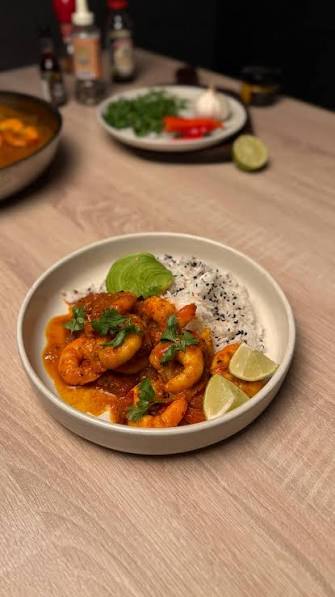
Prawns are particularly popular in coastal regions of India. Because prawns cook relatively quickly, they can be prepared in a variety of spicy, tangy, coconut-based, and masala gravies.
Popular preparations include Andhra prawn curry, Kerala-style prawn curry, coconut prawn curry, tamarind prawn curry, and spicy prawn masala.
The combination of seafood with ingredients such as coconut, tamarind, curry leaves, chillies, and spices creates distinctive coastal flavours.
Speciality: Prawns have a delicate seafood flavour and pair particularly well with spicy, tangy, and coconut-based preparations.
Different Types of Non-Veg Pickles
Pickles are an important part of Indian food culture. While mango, lemon, and other vegetable pickles are extremely popular, several regions are also known for non-vegetarian pickles.
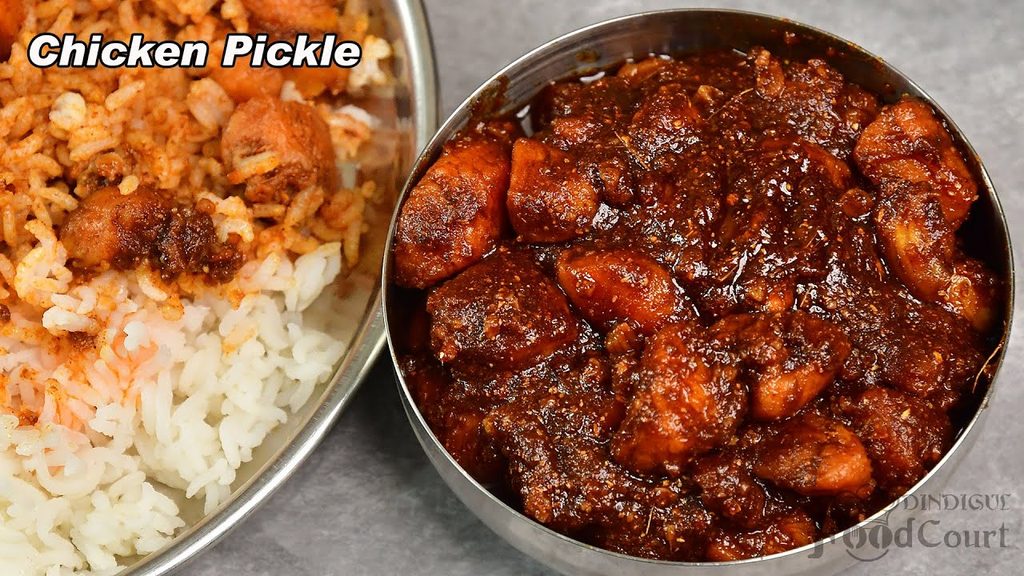
Chicken Pickle
Chicken pickle combines cooked chicken with spices, oil, chilli, salt, and souring ingredients. It is generally prepared to create a strong combination of spicy, tangy, and savoury flavours.
Speciality: Chicken pickle can be enjoyed in small quantities with rice, roti, or other meals.
Mutton Pickle
Mutton pickle is another flavorful preparation in which cooked mutton is combined with spices, chilli, oil, and souring ingredients.
Speciality: The rich taste of mutton combined with bold pickle spices creates a concentrated flavour.
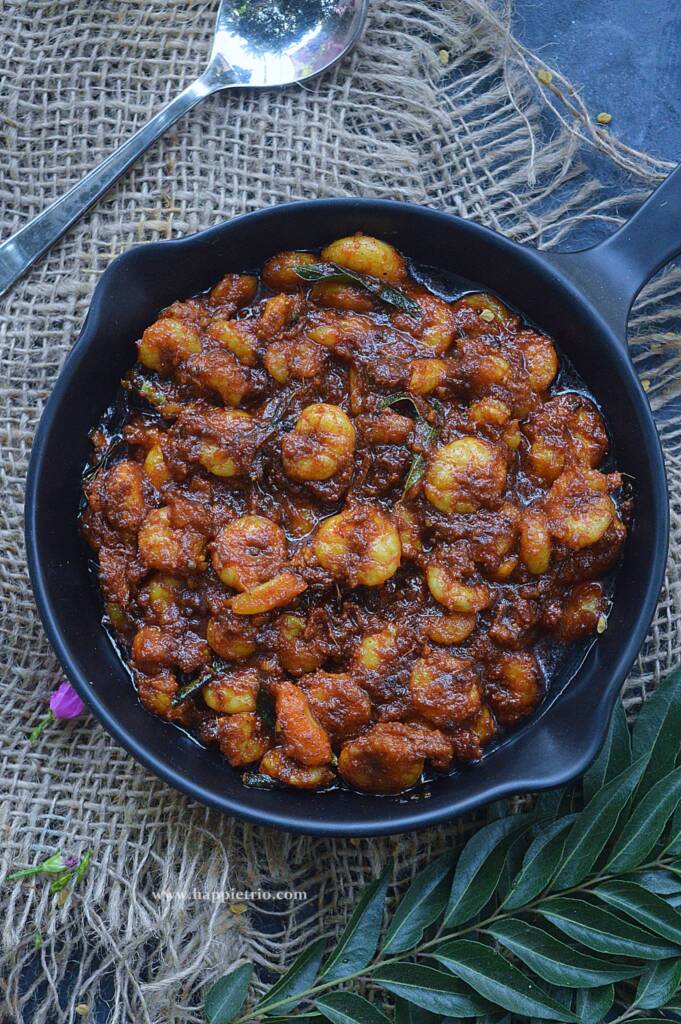
Prawn Pickle
Prawn pickle is especially associated with coastal food traditions. Prawns are combined with spices, chilli, oil, and souring ingredients to create a strongly flavoured accompaniment.
Speciality: It brings together the distinctive taste of prawns with the spicy and tangy character of traditional pickles.
Vegetarian Curries and Their Importance
Indian food is not only about non-vegetarian dishes. Vegetarian cuisine has an enormous variety of curries and preparations.
Popular examples include dal, sambar, vegetable kurma, aloo curry, brinjal curry, mixed vegetable curry, paneer curry, avial, and various regional vegetable preparations.
Andhra and Telangana cuisines are known for bold vegetable curries and pickles, while South Indian cuisine offers a wide range of coconut-based, lentil-based, tamarind-based, and vegetable preparations.
Speciality: Vegetarian curries demonstrate how everyday ingredients such as vegetables, lentils, herbs, and spices can create rich and satisfying meals.
[PHOTO 7 – Vegetarian curry section]
Place a colourful photograph showing 3–4 vegetarian curries together with rice, roti, chutneys, and pickle.
How Curries and Pickles Complete an Indian Meal
A traditional Indian meal often brings together several different tastes and textures. Rice or roti may be served with a curry, while pickle, chutney, curd, papad, or other accompaniments add additional flavours.
For example, a simple plate of hot rice can be paired with dal, vegetable curry, chicken curry, and a small serving of pickle. Similarly, roti can be enjoyed with mutton curry, vegetable kurma, or another rich preparation.
The beauty of Indian food is that there is no single way to create a complete meal. Regional traditions, family recipes, seasonal ingredients, and personal preferences all influence what appears on the plate.
Why Indian Curries and Pickles Are So Special
Indian curries and pickles represent much more than recipes. They are connected to family traditions, regional culture, celebrations, festivals, hospitality, and memories of home cooking.
A curry can tell the story of a region through its spices and ingredients. A pickle can preserve the flavour of seasonal ingredients and become a familiar part of everyday meals.
From vegetarian curries to chicken, mutton, and seafood preparations, Indian cuisine offers an extraordinary range of choices. Every region has something different to discover, and every recipe can have its own combination of ingredients and cooking techniques.
Non-Vegetarian Food in India – Curries, Regional Varieties and Pickles
Indian non-vegetarian cuisine is a fascinating world of rich flavours, aromatic spices, traditional recipes, and regional cooking styles. From spicy chicken curries and slow-cooked mutton dishes to flavorful fish and prawn preparations, every part of India has its own way of preparing non-vegetarian food.
What makes Indian non-veg food special is not simply the use of meat or seafood. The real character comes from the combination of spices, herbs, cooking techniques, regional ingredients, and traditional recipes. The same chicken or mutton can taste completely different when prepared in Andhra, Telangana, Kerala, Tamil Nadu, Karnataka, West Bengal, Punjab, or other regions.
Indian non-vegetarian food is enjoyed in homes, restaurants, celebrations, festivals, family gatherings, and special occasions. Some dishes are simple everyday curries, while others require slow cooking and carefully prepared masalas.
📸 PHOTO 1 – Main Hero Image
Place immediately below the introduction.
Use a wide, high-quality photograph showing a variety of non-vegetarian dishes—chicken curry, mutton curry, prawns, fish, rice, and pickles.
Suggested ALT text:Indian non vegetarian food varieties with chicken mutton fish and prawns
Chicken – One of the Most Popular Non-Veg Foods
Chicken is one of the most widely enjoyed non-vegetarian foods in India. Its mild flavour allows it to absorb spices and sauces easily, making it suitable for many different cooking styles.
There are countless varieties of chicken dishes across India, including spicy chicken curry, chicken masala, chicken fry, butter chicken, Chettinad chicken, Andhra chicken curry, Telangana-style chicken curry, Kerala chicken curry, chicken korma, and coconut chicken curry.
Some preparations use tomato and onion as their base, while others use coconut, yogurt, roasted spices, or regional masalas.
Speciality of Chicken Curries
The speciality of chicken curry is its ability to take on the flavour of the spices and gravy. Ingredients such as ginger, garlic, onions, tomatoes, green chillies, coriander, turmeric, curry leaves, and chilli powder can create a rich and aromatic dish.
PHOTO 2 – Chicken Section
Place a close-up photograph of chicken curry directly after this section.
Suggested ALT text:spicy traditional Indian chicken curry with gravy
Mutton – Rich, Hearty and Traditional
Mutton has a special place in Indian cuisine and is commonly prepared for family gatherings, celebrations, and special meals.
Popular preparations include mutton curry, mutton masala, mutton fry, mutton korma, Andhra mutton curry, Telangana mutton curry, Chettinad mutton, Rogan Josh, and slow-cooked traditional mutton dishes.
Mutton generally takes longer to cook than chicken. Slow cooking can help develop a deeper flavour while making the meat tender.
Speciality of Mutton
Mutton is appreciated for its rich taste and satisfying texture. The combination of meat with whole spices, onions, ginger, garlic, chillies, and regional masalas creates a hearty curry.
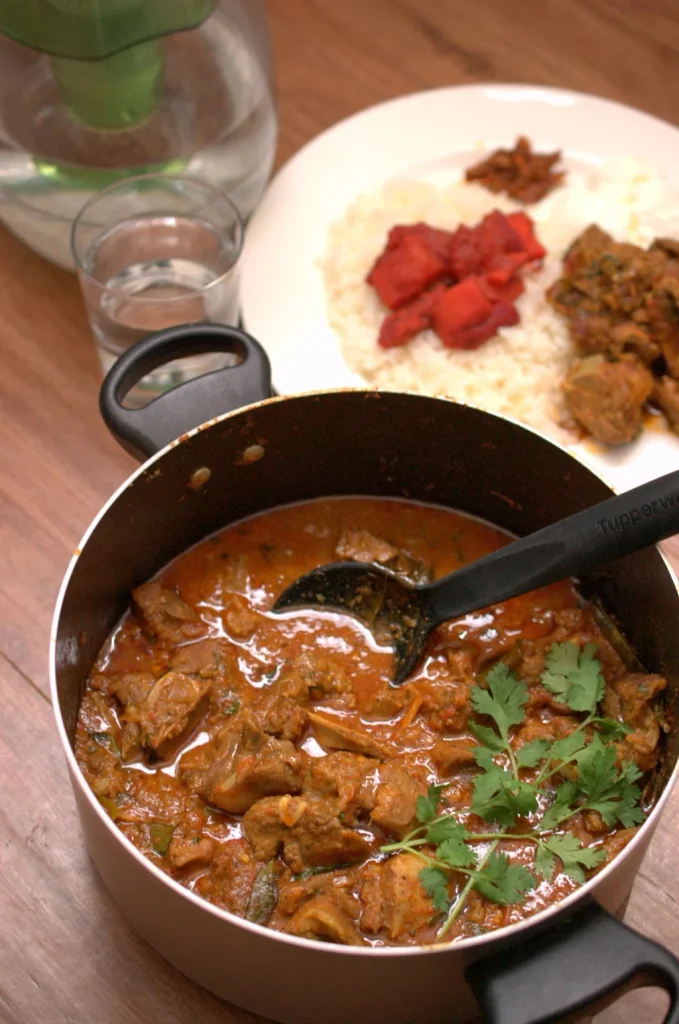
PHOTO 3 – Mutton Section
Place a large landscape photograph of mutton curry here. Show the curry with rice, roti, or another traditional accompaniment.
Suggested ALT text:traditional Indian mutton curry served with rice
Prawns – A Favourite of Coastal Cuisine
Prawns are especially popular in India’s coastal regions. They can be prepared using spicy masalas, coconut, tamarind, curry leaves, garlic, and other regional ingredients.
Popular dishes include prawn curry, prawn masala, chilli prawns, coconut prawn curry, Andhra-style prawn curry, Kerala-style prawn curry, and spicy prawn fry.
Speciality of Prawns
Prawns have a distinctive seafood flavour and cook relatively quickly. Their natural taste combines particularly well with spicy, tangy, and coconut-based preparations.
PHOTO 4 – Prawn Section
Place a bright close-up photograph of prawn curry or prawn masala after this section.
Suggested ALT text:spicy Indian prawn curry with traditional spices
Fish – Fresh, Spicy and Regional
Fish is another important part of Indian non-vegetarian cuisine, particularly in coastal and river regions.
Fish can be prepared in many ways, including fish curry, fish fry, fish masala, tamarind fish curry, coconut fish curry, and regional spicy fish preparations.
Different regions use different combinations of spices and ingredients. Coastal cuisines frequently combine fish with coconut, tamarind, curry leaves, and chillies.
Speciality of Fish
Fish has a delicate flavour that can be enhanced with spices and regional cooking techniques without overpowering its natural taste.
Suggested ALT text:
traditional Indian fish curry with spices
Egg Dishes – Simple Yet Versatile
Eggs are another popular part of Indian non-vegetarian cuisine. They can be prepared quickly and used in curries, masala dishes, biryanis, fries, and breakfast dishes.
Popular examples include egg curry, egg masala, egg fry, spicy egg roast, egg biryani, and boiled egg preparations.
Speciality of Egg Dishes
Eggs are versatile and can absorb the flavours of the curry or masala in which they are cooked.
Suggested ALT text:
spicy Indian egg curry with masala gravy
Biryani – A Celebration of Flavour
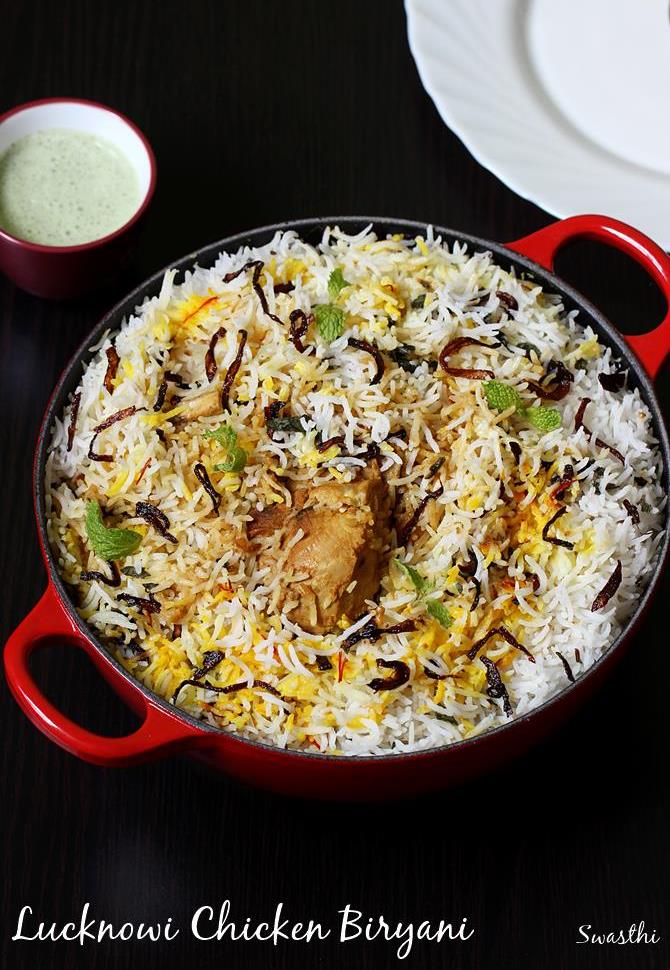
Biryani is one of the most recognizable rice dishes associated with Indian cuisine. Different regions have developed their own styles, ingredients, cooking methods, and flavour profiles.
Non-vegetarian biryanis can include chicken biryani, mutton biryani, fish biryani, and prawn biryani.
The combination of fragrant rice, spices, herbs, meat or seafood, and careful cooking creates a dish often enjoyed during celebrations and special meals.
PHOTO 7 – Biryani Section
Place a large, attractive photograph of chicken or mutton biryani here.
Non-Vegetarian Pickles
Indian pickle traditions are not limited to fruits and vegetables. Some regional food traditions also include chicken pickle, mutton pickle, and prawn pickle.
These preparations generally combine cooked meat or seafood with ingredients such as chilli, salt, spices, oil, and souring ingredients. The exact recipe varies by region and household.
Chicken Pickle
Chicken pickle combines chicken with bold spices and a concentrated flavour profile.
Mutton Pickle
Mutton pickle brings together the rich flavour of mutton with chilli, spices, oil, and souring ingredients.
Prawn Pickle
Prawn pickle combines the distinctive flavour of prawns with spicy and tangy pickle flavours.
spicy homemade chicken pickletraditional mutton pickleSouth Indian prawn pickle
Spices That Give Non-Veg Food Its Character
Spices are an important part of Indian non-vegetarian cooking. Commonly used ingredients include turmeric, chilli, coriander, cumin, black pepper, cardamom, cloves, cinnamon, bay leaves, ginger, garlic, curry leaves, and mustard seeds.
The quantity and combination of spices can dramatically change the character of a dish. Some recipes focus on chilli and heat, while others highlight aromatic whole spices, coconut, tamarind, or pepper.
Different Cooking Styles
Non-vegetarian food can be prepared using several traditional cooking techniques:
- Curry: Meat or seafood cooked in a flavorful gravy.
- Fry: Ingredients cooked with spices until they develop a roasted texture.
- Roasting: Spiced ingredients cooked until aromatic and well browned.
- Grilling: Food cooked using direct or high heat.
- Slow cooking: Meat cooked gradually to develop deeper flavours.
- Baking: Certain meat and seafood preparations are cooked using an oven.
- Pressure cooking: Frequently used for preparing meat dishes more quickly.
Each technique can produce a different texture, aroma, and flavour.
Why Indian Non-Veg Food Is Special
Indian non-vegetarian food is deeply connected with regional traditions, family recipes, celebrations, hospitality, and local ingredients.
A spicy chicken curry may remind someone of a homemade family meal. A mutton curry may be associated with a special celebration. A seafood curry can reflect the ingredients and traditions of a coastal community. A pickle can add a familiar flavour to an everyday meal.
This variety is what makes Indian non-vegetarian cuisine so interesting. There is no single style of Indian non-veg cooking. Every region and household can have its own recipes, spice combinations, and preparation methods.
Conclusion
The world of Indian curries and pickles is incredibly diverse. Chicken, mutton, prawns, vegetables, lentils, and paneer can all be transformed into flavorful dishes using different combinations of spices and traditional cooking methods.
Non-vegetarian curries bring rich and hearty flavours, while vegetarian curries offer an enormous variety of textures and tastes. Pickles add another layer of flavour, from the familiar tang of mango and lemon to the bold taste of chicken, mutton, and prawn pickles.
The speciality of Indian food lies in this diversity. There is always another regional curry to discover, another pickle to taste, and another traditional recipe waiting to be explored.
From a simple homemade meal to an elaborate Indian feast, curries and pickles continue to bring flavour, tradition, and togetherness to dining tables across India and beyond.
From chicken and mutton to prawns, fish and eggs, Indian non-vegetarian cuisine offers an enormous variety of dishes. Each preparation can have its own combination of spices, ingredients, cooking methods, and regional influences.
Curries provide rich gravies and bold flavours, fries offer roasted and spicy textures, biryanis combine meat or seafood with aromatic rice, and non-vegetarian pickles provide concentrated spicy and tangy flavours.
Exploring Indian non-vegetarian food is therefore more than exploring individual dishes—it is a journey through regional traditions, ingredients, cooking techniques, and generations of food culture.
Whether you prefer a spicy chicken curry, a rich mutton dish, a coastal prawn curry, a flavorful fish preparation, or a traditional non-veg pickle, Indian cuisine offers countless flavours waiting to be discovered.